Garage Door Repair Hugo MN › Guides › Cables Explained
What Garage Door Cables Actually Do (and Why They Snap)
Two thin steel cables are doing most of the work every time your door moves, carrying hundreds of pounds of spring tension. Here’s what they actually do, the difference between a lift cable and a safety cable, and why they wear out and snap over time.
Two types lift cables and safety cables
Under real tension not a DIY repair
Fraying = danger per DASMA guidance
Sourced Clopay and DASMA
Three warning signs to watch for
What do garage door cables actually do?
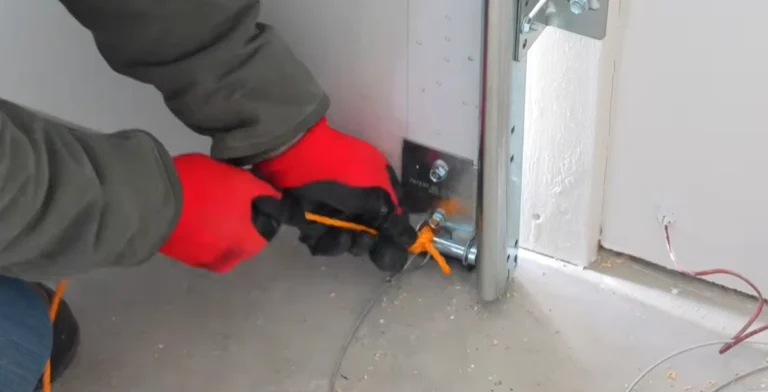
Clopay’s own cable replacement guide describes the job plainly: the cables "attach to the bottom corners of the door and run up to drums or pulleys near the top," and they "transfer this movement, guiding the door up or down along the tracks." The springs generate the lifting force, but the cables are what actually carry that force to the door itself.
Clopay’s spring system guide puts it another way: "as the door opens, the energy from the springs is transferred through these cables, which pull the door upward." Two cables, one on each side, have to stay evenly tensioned for the door to travel straight. That’s why a single failing cable shows up first as a door that leans or binds, not as a door that simply stops working.
What’s the difference between a lift cable and a safety cable?
Which cables your door has, and what job they do, depends on which spring system it uses.
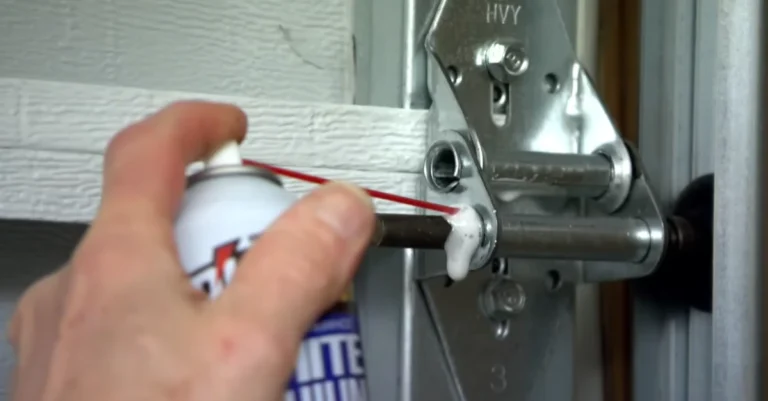
Torsion spring systems use lift cables that wind onto drums as the spring turns. Clopay describes it directly: "torsion cables wrap around drums as the spring turns, handling the tension and making sure the door moves evenly on both sides." These cables are doing the actual lifting, every cycle.
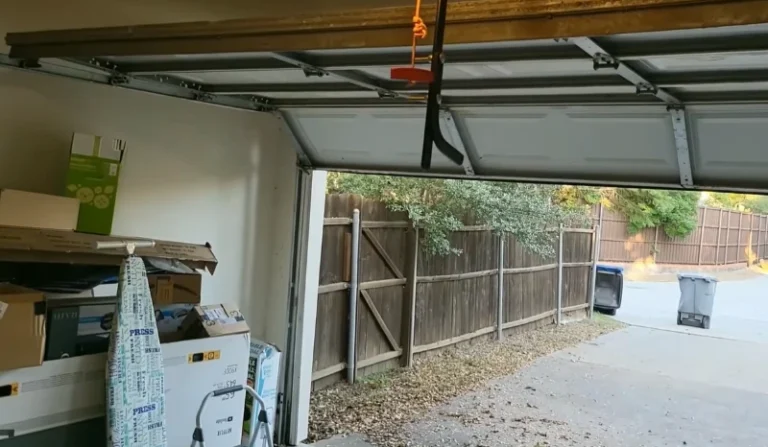
Extension spring systems add a second type: a safety cable that runs through the center of each stretched spring. Clopay’s spring guide explains the purpose is containment, not lifting: these cables "run through the center of each spring and are anchored to the wall or ceiling, containing the spring if it fails and helping to prevent injury or damage." Clopay calls a safety cable "a must-have with extension springs," specifically because it can "prevent springs from flying across the garage and causing harm" if one snaps. Torsion springs sit above the door on a shaft, which Clopay notes makes them "less likely to fly loose if it breaks" in the first place, so they don’t rely on a separate containment cable the same way.
Why do garage door cables snap?
Clopay’s cable guide points to ordinary wear as the baseline cause: "over time, the constant winding and unwinding puts wear on the cables, especially at points where they rub against drums or pulleys." A handful of things make that wear happen faster or turn it into a sudden failure. Third-party troubleshooting guidance from A Better Garage Door lists several specific accelerants worth knowing, though it’s their own guidance rather than a manufacturer-published source:
- Friction and repetition — thousands of open-close cycles winding and unwinding the same points on the cable.
- Corrosion — outdoor exposure to cold, heat and moisture weakens steel cable over time, especially in a Minnesota winter.
- Door misalignment — a door even slightly out of alignment can put uneven stress on a cable and cause it to rub where it shouldn’t.
- Uneven or mismatched spring tension — if one spring is wound with the wrong amount of tension, or a pair of springs doesn’t match, the door raises and lowers unevenly and puts extra strain on the cables.
- A spring that has already failed — once one spring breaks, the opposite cable and spring are left carrying more of the door’s weight than they’re built for.
What does each sign usually point to?
| What you notice | Likely cause | DIY or call a pro |
|---|---|---|
| Visible fraying, kinks, or rust on the cable | Wear or corrosion — cable is at risk of breaking | Call a pro |
| Door hangs lower on one side | Cable stretched, slipping, or partially failed | Call a pro |
| Loud bang, then door won’t move or hangs loose | Cable or spring has already failed | Call a pro immediately |
| Cable looks loose or off the drum | Misalignment, wrong drum size, or uneven spring tension | Call a pro |
| Door has felt harder to lift recently | Spring losing tension, adding load to the cables | Call a pro |
Every row here says the same thing, and that’s deliberate. Cable and spring work happens under real stored tension, and Clopay is blunt about what that means: "a snapping cable can lash out with enough force to embed itself in wood or shatter glass." This is one of the few garage door problems where there is no safe DIY step beyond looking and calling.
Cable questions
Can I replace a garage door cable myself?
No. Clopay’s own guidance is direct: garage door cables are under immense tension, which makes them dangerous if not handled properly, and DASMA states these cables should be replaced only by a trained technician because of the high spring tension involved.
What’s the difference between a lift cable and a safety cable?
A lift cable (used with torsion springs) actively carries the door’s weight every time it moves. A safety cable (used with extension springs) doesn’t lift anything, it runs through the center of the spring and contains it if it breaks, so it doesn’t fly loose.
Is a frayed cable dangerous even if the door still works?
Yes. DASMA’s guidance is explicit that frayed or worn cables are in danger of breaking whether or not the door is currently working normally. A cable that looks damaged should be treated as a near-term failure, not a cosmetic issue.
Why is my door hanging crooked instead of just not moving?
Because two cables share the load, one side failing or stretching shows up as an uneven lean before it shows up as a total failure. If that’s what you’re seeing, our crooked door guide walks through cable, spring, and track causes side by side.
Sources
- Clopay — Garage Door Cable Replacement
- Clopay — Homeowners Guide to Garage Door Spring System
- DASMA — Garage Door Safety Tips
Note: the specific list of what accelerates cable wear (friction, corrosion, misalignment, mismatched springs) is sourced from third-party garage door service guidance rather than a manufacturer-published article, since manufacturer sites describe cable function and safety but don’t break down failure causes in as much detail. This is noted here rather than presented as manufacturer guidance.
Seeing a frayed cable or a crooked door?
Don’t wait on this one. Call (651) 217-1271 and we’ll take a look, 24/7.