Garage Door Repair Hugo MN › Guides › Weatherstripping and Seals
Garage Door Weatherstripping and Seals: Every Type and What Each One Stops
A garage door can have up to four kinds of seal. The bottom seal rides on the door’s lower edge and blocks water, dirt and pests. Weatherstripping along the sides and top blocks wind, rain and dust. A threshold seal is glued to the floor, and some doors also have seals between the panels. Here is what Clopay and Overhead Door say about each one.
Bottom seal first line of defense
Side and top wind, rain, dust
Threshold floor gaps and water
Sourced Clopay, Overhead Door, DASMA
How do you find which garage door seal is worn in three checks?
What are the types of garage door seals and what does each one stop?
What does the bottom seal do?
The bottom seal attaches to the lower edge of the door and compresses against the floor when the door closes. Clopay calls it the first line of defense against water, dirt and pests. Overhead Door describes the usual residential version as a flexible T-style or bulb-style strip that slides into a metal retainer track along the bottom of the door. Clopay adds a third profile, bead style, which it says is typically commercial, and says U or bulb styles suit rough or uneven floors. On materials, Clopay describes rubber as flexible but able to stiffen and crack in very cold climates, vinyl as resistant to moisture and sun but less flexible in the cold, and silicone as handling temperature extremes but costing more.
What do the side and top seals do?
These are the perimeter seals, which Clopay says are sometimes called weatherstripping. They run along the vertical sides of the opening and across the top and stop wind, rain and dust. Clopay lists vinyl, PVC or heavy-duty rubber, and Overhead Door describes the common version as PVC or aluminum stop molding with a rubber flap, mounted on the outside of the frame at the sides and top.
What does a threshold seal do, and is it the same as a bottom seal?
No, they are different parts. A threshold seal attaches to the garage floor where the door lands. Clopay says it stops standing water, windblown debris and rodents and is especially useful if the garage sits below the driveway or has an uneven floor. Overhead Door describes it as a heavy rubber strip glued to the concrete to bridge uneven gaps. Clopay mentions rubber and vinyl versions, some with an aluminum track.
Are there seals between the door panels?
Some doors have a hinge seal. Clopay describes it as fitting between sectional panels at the hinges to close gaps as the door flexes, and says it is less common and mostly found on older or custom doors. Neither source we read gives wear signs or a replacement method for it, so it is a question for a technician rather than a weekend job.
How do the garage door seals compare side by side?
| Seal | Where it sits | What it stops | How the makers describe the job |
|---|---|---|---|
| Bottom seal | Lower edge of the door, usually in a retainer | Water, dirt and pests | DIY-friendly (Clopay and Overhead Door) |
| Side and top weatherstripping | Both jambs and the top of the frame | Wind, rain and dust | DIY-friendly (Clopay and Overhead Door) |
| Threshold seal | Glued to the floor where the door lands | Standing water, debris and rodents | DIY-friendly, but the glue needs 24 hours (Clopay) |
| Hinge seal | Between panels at the hinges | Air leaks between panels | No method given by either source |
These are manufacturer descriptions, not lab tests, and we have left prices out because the sources do not publish them. For costs and what a seal visit involves, see garage door weather seal replacement in Hugo.
Can you replace garage door seals yourself?
Both makers present seal replacement as a job a handy homeowner can do. Overhead Door’s steps for a bottom seal are to raise the door to chest height, disconnect the opener, slide the old seal out of the retainer, clean the track with soapy water and a wire brush, slide the new seal in and trim it, leaving about 2 inches at each side to fold in and crimp. Clopay says to cut the seal slightly long and trim after fitting, to wear gloves and eye protection, and to keep the door closed and off the new threshold seal for at least 24 hours while the adhesive cures.
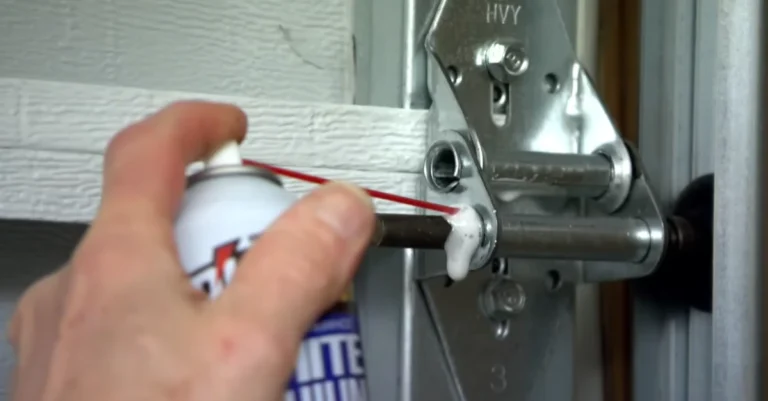
A few cautions come from the same pages. Clopay says to avoid petroleum-based products and harsh solvents on rubber, vinyl or silicone seals, because they can break the material down. Overhead Door says rotting wood jambs need repair before new molding goes on, and that side molding pressed too tightly against the panels can cause motor drag on the opener. Clopay suggests a professional if the door is especially heavy, has custom hardware or shows major alignment problems.
One line to hold: seal work happens at the edges of the door and should never involve the springs, the lift cables or the bottom brackets. DASMA’s safety tips say the bottom brackets are under extreme tension and are for trained technicians only. If a door will not stay put at chest height, or a bracket or cable is in the way, stop and call. Our weather seal replacement page covers having a technician do it.
How often do garage door seals need replacing?
The sources do not agree. Clopay says most seals need replacing every 2 to 3 years depending on climate and use. Overhead Door gives no schedule, and other guides quote longer, which is why our service page lists a wider range. The safer rule is to replace on condition: cracks, a hard or flat strip, a gap at the floor, daylight around the closed door, or a bent or corroded retainer. In a cold climate, expect the shorter end of any range.
Why do seals matter more for an insulated door in a Minnesota winter?
Because the door’s rating includes them. DASMA’s data sheet TDS-163 says weather seals and thermal breaks resist heat flow, while section joints can act as a shortcut around the foam, and that is why it rates a whole installed door by U-factor rather than the foam alone. A worn seal can undercut a well-insulated door. Our guide to garage door insulation and R-value explains the rating, the insulated garage doors page covers buying one, and our Minnesota winter care page covers what cold does to the rest of the door. For a garage in Hugo, the practical step is to check all four seal locations before the first hard freeze.
Garage door seal questions
Is garage door weatherstripping the same as the bottom seal?
Not exactly. Clopay uses weatherstripping for the perimeter seals along the sides and top, while the bottom seal is a separate part on the door’s lower edge. Some people use the word for both, so say which edge you mean.
Do I need a threshold seal if I already have a bottom seal?
Not always. Clopay says a threshold seal is especially useful when the garage sits below the driveway or the floor is uneven, because it handles standing water and debris the bottom seal alone may not.
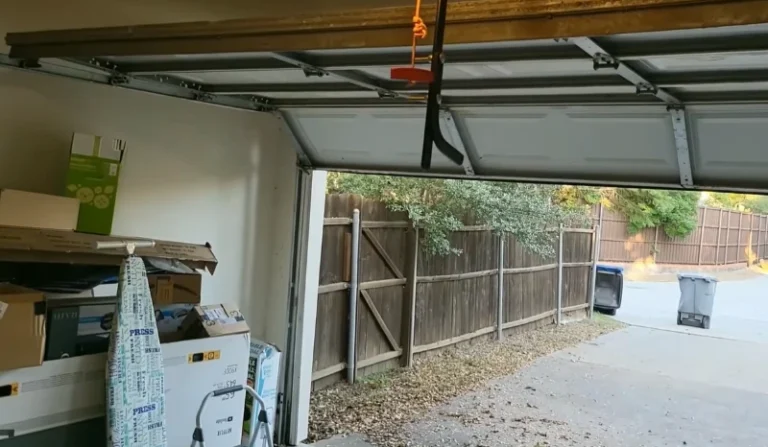
Why can I see light around my closed garage door?
Overhead Door says visible light around the edges or under a closed door suggests the seal is not doing its job. Light along the sides or top points to the perimeter weatherstripping, and light along the bottom points to the bottom seal or a bent retainer.
Can I put any lubricant on garage door seals?
No. Clopay says to avoid petroleum-based products and harsh chemicals on seals because they can break down rubber, vinyl and silicone. Overhead Door uses soapy water or silicone lubricant when sliding a new bottom seal into its retainer.
Can new side weatherstripping make the opener work harder?
It can if it is fitted too tight. Overhead Door warns that side molding pressed too hard against the panels can cause motor drag, so the strip should touch the door lightly rather than clamp it.
Sources
- Clopay — Demystifying Garage Door Seals: Types and Benefits Explained
- Overhead Door — How to Replace a Garage Door Seal
- DASMA — TDS-163, U-factor and R-value for Residential and Commercial Garage Doors
- DASMA — Garage Door Safety Tips
Note: these are manufacturer guides and describe their own products favorably. The 2 to 3 year replacement interval is Clopay’s figure alone; Overhead Door gives none. The hinge seal is described by Clopay only. The advice to call a technician if the door will not stay put at chest height is a general safety point, not a quotation from these pages.
Seeing daylight around your garage door?
Tell us where the light shows and what the door is doing, and we will say which seal is likely worn. Call (651) 217-1271, 24/7.